The Role of Sustainable Practices in Modern Construction Jun 01, 2026
In the modern construction landscape, sustainability goes beyond basic recycling initiatives; it encompasses a holistic view of construction processes. From the sourcing of raw materials to the methodologies used in executing projects, every stage is scrutinized for environmental impact. Sustainable construction practices aim to reduce harmful effects by employing green materials, enhancing energy efficiency, and minimizing waste production. This approach not only contributes positively to the environment but also offers long-term cost benefits for clients and developers.
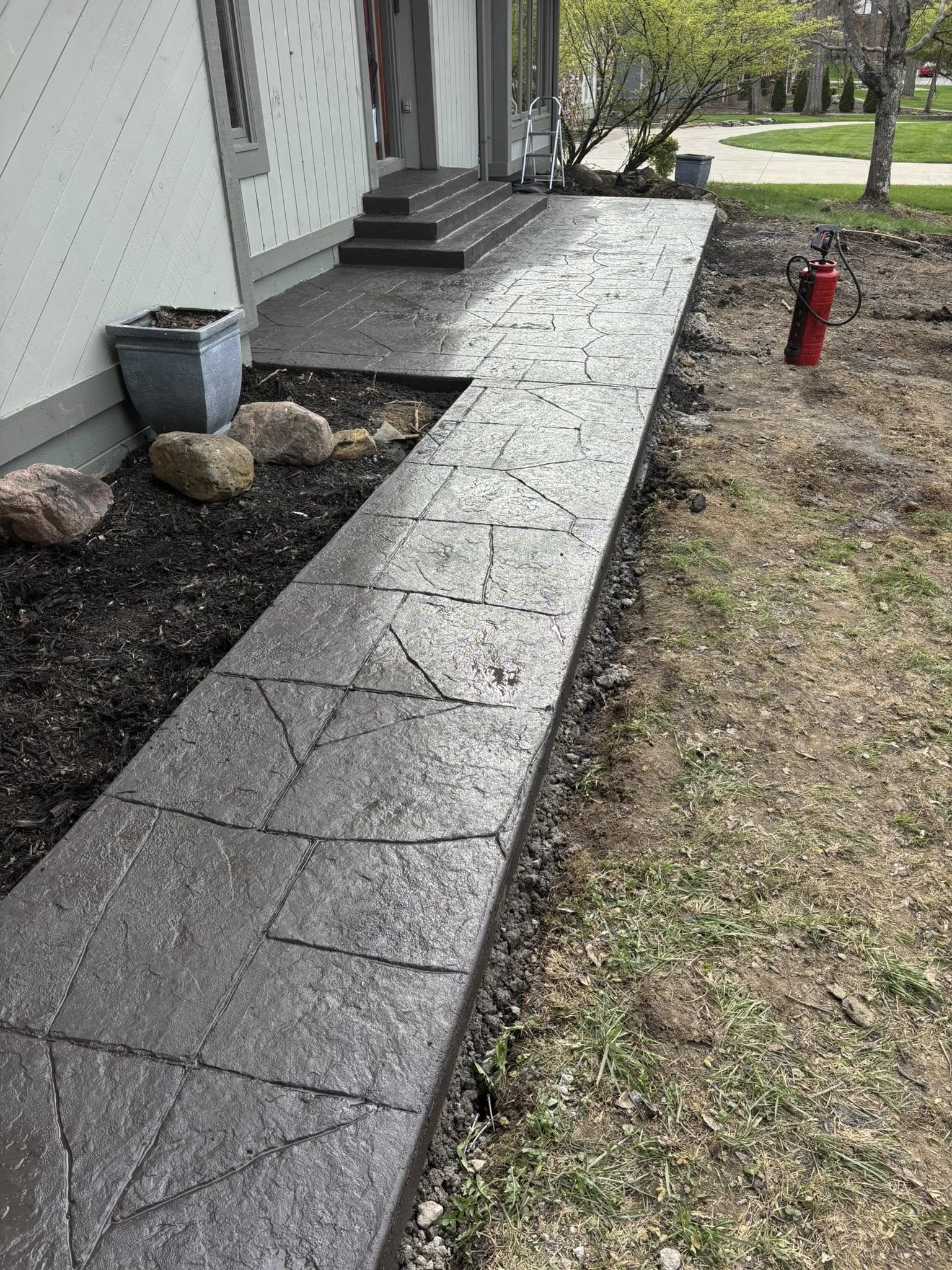
A pivotal aspect of sustainable construction is the use of eco-friendly materials. Concrete, a fundamental building block in construction, can be significantly more eco-friendly when created with locally sourced aggregates and greener methods. For instance, incorporating fly ash or slag can enhance the durability of concrete while reducing carbon footprint. At Davies Concrete and Construction, we emphasize using such materials to ensure the longevity and sustainability of our projects.
Energy efficiency in buildings cannot be ignored when discussing sustainable practices. The design phase of construction is critical, as it determines the energy profile of a building. Utilizing smart design principles, such as optimizing natural light and using energy-efficient appliances, significantly reduces a building's overall energy demand. Additionally, modern technological advancements enable the integration of energy systems that rely on renewable resources, such as solar panels and wind turbines. These measures substantially decrease reliance on nonrenewable energy sources, leading to cost savings and a reduced environmental impact.
Waste minimization is another key component of a sustainable construction strategy. Onsite waste from construction activities can contribute heavily to landfills if not managed properly. Employing prefabricated components, recycling construction materials, and implementing efficient project management strategies can dramatically reduce waste. Davies Concrete and Construction advocates for these best practices to ensure the least amount of by-product during and after construction.
The benefits of sustainable construction extend beyond environmental impact and cost savings; they also enhance the overall quality of living and working environments. Buildings constructed with sustainability in mind typically feature improved air quality, reduced noise pollution, and better thermal comfort. These attributes foster healthier and more productive spaces for inhabitants. For businesses, sustainable buildings can also enhance brand reputation and attract environmentally-conscious clients and stakeholders.
Continuous education and adaptation are crucial as sustainable technology and strategies evolve. Davies Concrete and Construction is committed to staying at the forefront of these changes by continuously exploring new sustainable practices and integrating them into our project operations. By committing to sustainability, we contribute to the development of resilient infrastructure that supports a healthier planet and society.
In conclusion, embracing sustainable construction practices is not only about fulfilling an ethical responsibility but also about ensuring business and environmental longevity. By integrating eco-friendly materials, enhancing energy efficiency, and minimizing waste, Davies Concrete and Construction strives to provide solutions that benefit clients, communities, and the environment at large. As we move forward, sustainable construction will remain a vital element of our business strategy, improving not only our projects but the world we inhabit.
/filters:no_upscale()/filters:format(webp)/media/bcad66e3-f0d7-4f88-80a7-9e020228d5ce.jpeg)